
Holding It Together While the World Falls Apart
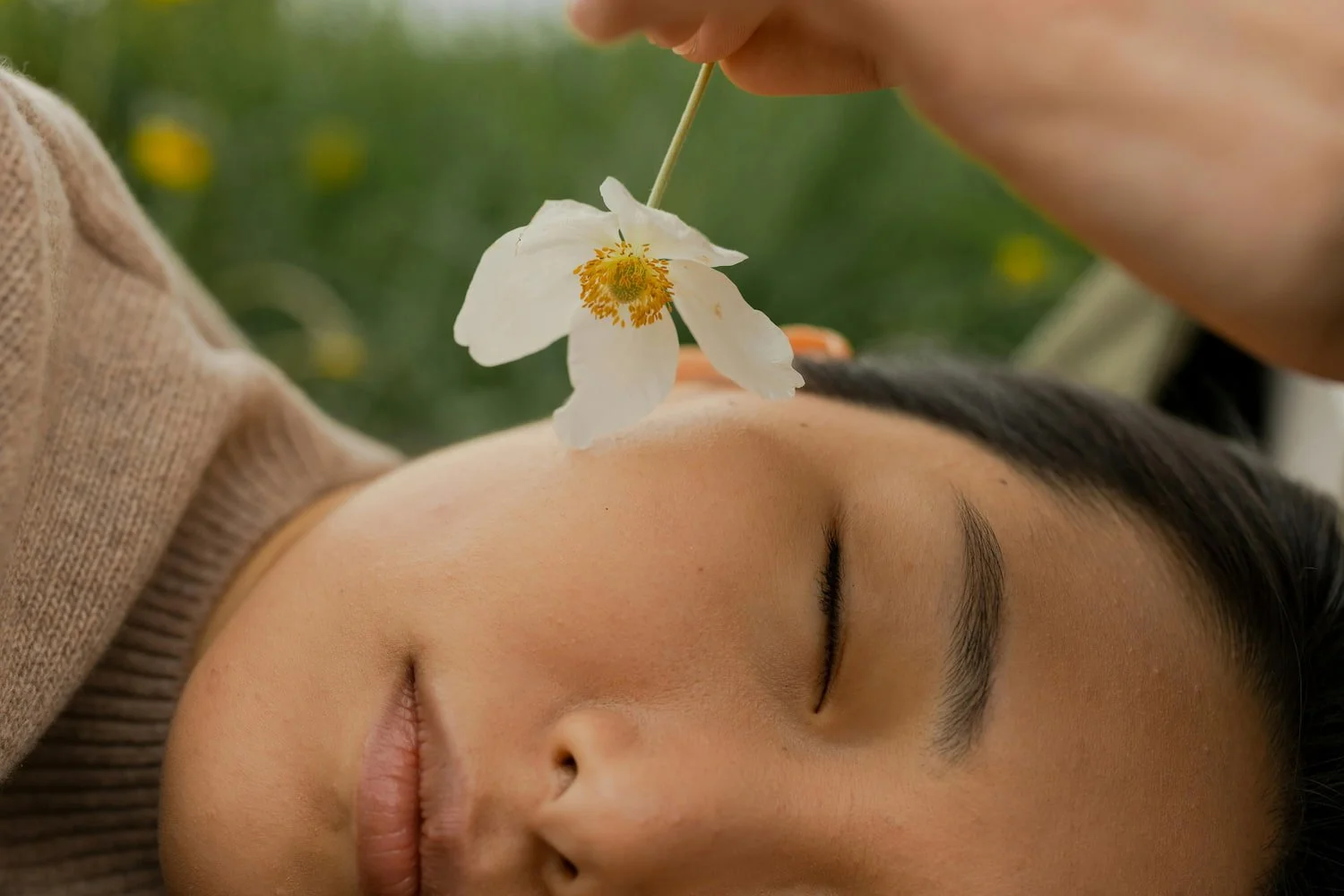
Moments of calm and gentleness can help restore balance.
caring for Yourself in Difficult times
Life can feel especially heavy right now, shaped not only by personal challenges but also by the broader world around us. When there is ongoing uncertainty, injustice, or collective distress, it can be difficult to find a sense of solid ground. You may feel the weight of what is happening not just in your own life, but in the lives of others, as well as in the larger cultural and political landscape.
At times, tending to your own peace and well-being in the midst of this can feel almost out of step. When so much is happening, it may seem as though focusing on yourself is somehow minimizing what others are enduring, or turning away from what matters.
But caring for yourself is not a form of disengagement. Without some internal ballast, the constant exposure to fear, grief, and uncertainty can leave you feeling overwhelmed and depleted, making it harder to stay connected to yourself, your values, and your relationships.
In the midst of all this, you may notice the toll it takes on your inner world. During these periods, it is common to experience heightened anxiety, irritability, or a sense of disconnection from yourself and others. Your mind may dwell on worst-case scenarios, replay past regrets, or worry incessantly about what lies ahead. Your body may respond with tension, fatigue, or restlessness, making it hard to find a sense of balance or ease.
These reactions are not signs of weakness. They are natural responses to stress and uncertainty. Recognizing how life’s difficulties affect you is the first step in cultivating a felt sense of peace and well-being. By intentionally nurturing yourself, you can develop a foundation of resilience that supports you to navigate challenges with greater clarity and calm.
Exploring Your Emotional Landscape
Before moving into ways to support yourself, it can help to slow down and notice what’s happening inside. Emotions such as anxiety, sadness, or irritability often carry meaningful information about unmet needs or unresolved experiences. Repeated worry, for example, may signal a need for rest, support, or reassurance. Irritability may arise when boundaries are being crossed or when something important to you feels compromised.
Mindfulness can be a helpful way of beginning to notice these patterns. It involves paying attention to your thoughts, feelings, and bodily sensations as they arise, without judgment. In noticing, you begin to see the connection between your internal experiences and your responses to stress. You may start to recognize which thoughts are grounded in what is actually happening, and which are shaped by fear or self-criticism. Over time, this awareness creates space to respond with intention rather than react automatically.
Mindfulness Practices for Everyday Life
Mindfulness does not require formal meditation or extended periods of sitting. It can be woven into ordinary moments throughout your day in simple ways.
Observing thoughts and feelings: When you notice anxiety or tension arising, pause and gently name what is surfacing. For example, “I notice I’m worrying about tomorrow” or “I’m feeling tension in my shoulders.” Simply labeling your experience can help reduce the intensity of automatic reactions and create a bit of space around them.
Body scanning: Take a few moments to bring attention to areas of tension or discomfort in your body. Notice sensations without trying to change or fix them. This kind of attuned attention can support a greater sense of connection to yourself and may help soften stress over time.
Grounding exercises: Bring your awareness to your senses by noticing five things you can see, four things you can touch, three things you can hear, two things you can smell, and one thing you can taste. This practice gently anchors you in the present moment and can help interrupt cycles of anxious rumination.
Bringing Self-Compassion Into Daily Life
Self-compassion can be cultivated in small, ordinary moments throughout the day. For example:
Speak kindly to yourself when anxiety arises, rather than defaulting to criticism or blame.
Remember that difficult emotions are part of the shared human experience, rather than something that sets you apart.
Allow yourself rest, nourishment, and pauses without guilt or justification.
Notice and acknowledge moments of effort, resilience, or ease, even if they feel minor.
Over time, these kinds of responses help create an internal environment that feels less harsh and more supportive, making it easier for a sense of peace and well-being to take root.
Creating a Personalized Well-Being Routine
Nurturing well-being tends to be most supportive when it is intentional and consistent. You might begin by incorporating practices that tend to your mind, body, and emotions in different ways:
Mindful movement, such as yoga, gentle stretching, or walking outdoors can help release tension and support a more balanced mood.
Creative expression such as writing, drawing, or music can offer an outlet for emotions and deepen self-understanding.
Connection through friends, family, or community can ease feelings of isolation and foster belonging.
Rest and restoration through sleep, downtime, and stillness can replenish mind and body.
Building a routine does not require perfection. The intention is not to do everything, but to create a rhythm of care that feels sustainable and supportive, even in small ways.
The Role of Therapy in Nurturing Well-Being
While self-practice can be deeply supportive, individual therapy offers an additional layer of care. Here, you will have the opportunity to explore underlying patterns, better understand sources of stress, and develop ways of relating to difficult emotions with more compassion and awareness. Psychodynamic and relational approaches can help illuminate how early experiences shape present-day responses, while depth therapy supports the gradual development of emotional resilience and self-understanding.
Therapy also offers a consistent, supportive space to practice mindfulness, work with self-critical thoughts, and strengthen a sense of agency in your life. Over time, this work can help you integrate these practices more fully into daily life, supporting a deeper sense of ease, peace, and contentment.
Taking the Next Step
When life feels overwhelming or uncertain, it can be difficult to know how to move forward. Depth therapy offers a space to slow down, make sense of what you are experiencing, and better understand the emotions, beliefs, and patterns that shape how you respond to challenges.
You can learn more about individual psychotherapy or explore support for anxiety, depression, trauma, and relationship concerns. Therapy can help you reconnect with yourself, develop greater self-compassion, and find new ways of responding to the challenges you are facing.
If this theme feels familiar or you have questions about starting therapy, I invite you to reach out for a free 20-minute phone consultation. We can talk about what you are going through and explore whether working together feels like a good fit.
If this topic resonates for you, you can explore Reclaiming Agency When the World Feels Out of Control, How to Make Friends With Your Inner Critic, or How to Tame Your Anxiety With Mindfulness Practice, depending on what feels most relevant to where you are right now.