
Sustaining Hope and Connection in Difficult Times
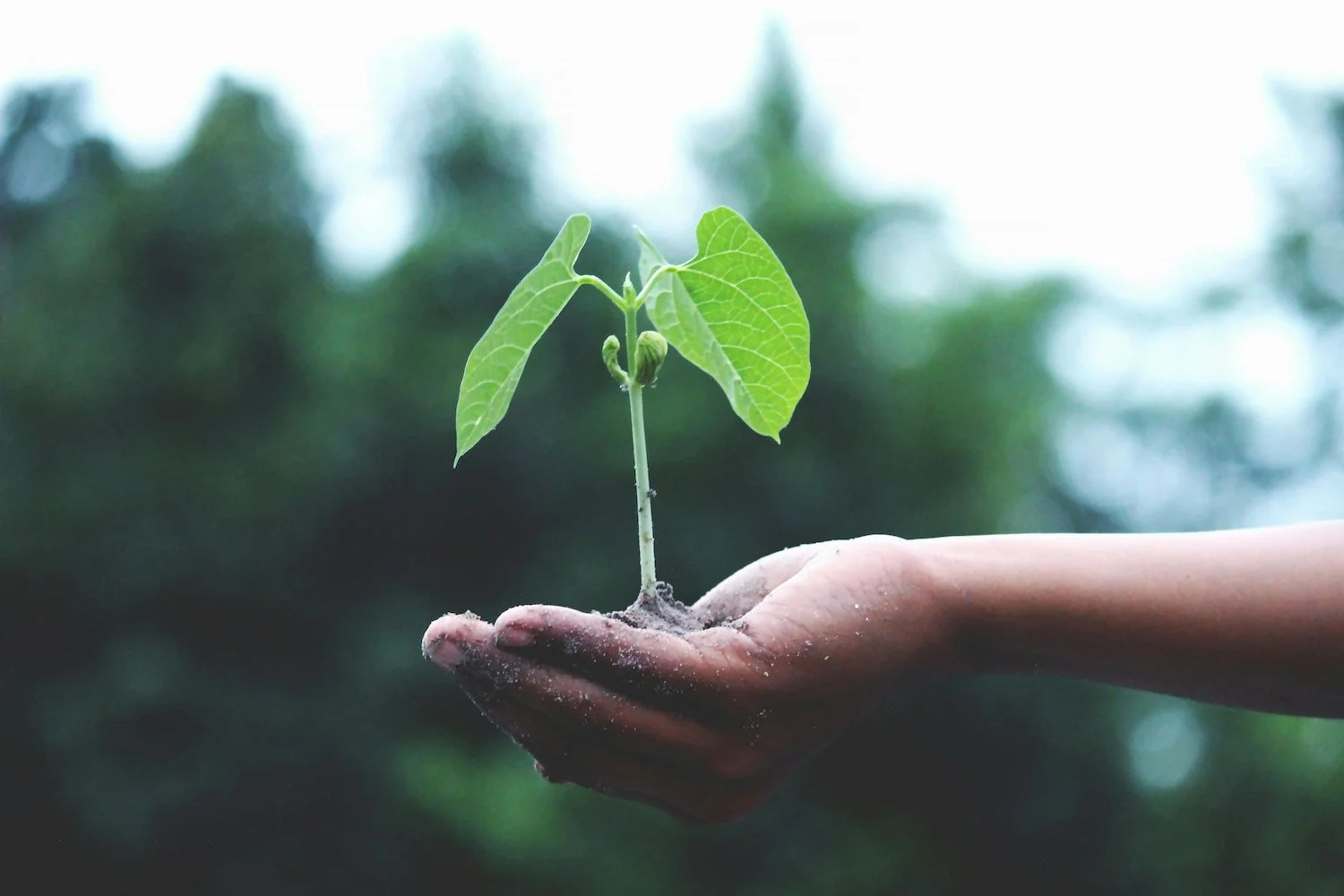
Hope can take root in small acts of presence and care even when the future feels uncertain.
Nurturing Balance and Meaning Amid Uncertainty
In moments like these, when the world feels fractured and the future uncertain, it can be hard to stay connected to yourself and to what sustains you. You might feel a heavy sense of emotional fatigue, as if every day requires more energy than you have. You might notice a persistent ache of disconnection, or a dimming of your inner light that makes even familiar joys feel distant. Anxiety, doubt, and the weight of things beyond your control can linger in a way that makes it feel like the heaviness will never lift.
Amid all this, it’s normal to feel adrift, unmoored, or unsure how to find your footing. You might be asking yourself how to keep moving forward when the world feels so unpredictable.
Hope, however, is not about forced optimism or denial. It is the ongoing commitment to nurture something alive within you, a thread of care, creativity, or connection that reminds you your presence matters and that your actions ripple outward.
The subtle work of sustaining hope
Hope grows slowly, through small and intentional acts. It might look like tending to a garden, walking along the shoreline, preparing a nourishing meal, or reaching out to someone you trust. These gestures may seem modest, yet they reaffirm your belonging to the world and to the people in it.
Even in difficult times, moments of care such as watering a plant, lighting a candle, or offering a word of kindness are ways of saying yes to life. They bring you back into the present and remind your nervous system that safety, beauty, and connection can still be found.
Grounding practices for resilience
When life feels unpredictable, your nervous system often reacts before your mind fully makes sense of what’s happening. You may feel tense, overwhelmed, disconnected, or on alert without knowing why. Grounding practices offer a way to come back into your body so you can meet what’s unfolding with more presence. These practices don’t erase uncertainty, but they help you create enough internal space to respond rather than react.
Below are simple, accessible ways to reconnect with yourself when emotions begin to build or when your body feels unsettled:
Notice your body. Feel your feet on the floor, check your posture, or take a slow stretch to reconnect mind and body.
Breathe deeply. Mindful breathing signals calm to your nervous system and creates a pause from racing thoughts.
Engage your senses. Notice textures, sounds, or scents around you. Bringing your attention into the present moment reduces rumination.
Maintain routine. Simple daily acts such as journaling, making tea, or walking a familiar path provide rhythm and a sense of control.
Grounding practices are not about bypassing what hurts or pretending everything is fine. They’re about creating a foundation within yourself so you can feel what you feel without becoming overwhelmed. As your body settles, your emotional landscape becomes easier to navigate. You may find that clarity, perspective, or even compassion emerges in the space you’ve created.
These small acts of care are invitations back into yourself. They can help you reconnect with the parts of you that know how to endure difficulty, seek support, and move toward what brings meaning. Over time, these practices become a kind of inner home, a place you can return to whenever the world feels too loud or too uncertain.
Reconnecting with others and meaning
Isolation and hopelessness often reinforce each other. When you pull away, the world can feel smaller, heavier, and harder to navigate. But even modest reconnection, such as a brief message, a shared meal, or a walk with someone you trust, can interrupt that cycle. These moments remind you that relationship is a place of repair rather than pressure.
You can also reconnect through creativity. Art, music, writing, and movement have a way of bringing you back into contact with your own aliveness. These forms of expression often reveal parts of you that have gone dormant under stress. They can rekindle a sense of curiosity, soften numbness, or awaken a spark of vitality you thought you had lost.
Meaning can grow here as well, in the places where you feel most connected to something larger than yourself. That might be time in nature, a spiritual practice, or the simple beauty found in everyday moments such as light on a wall, a familiar scent, or a tender memory. These experiences widen your perspective and remind you that your inner world is still capable of depth and responsiveness.
None of these actions erase difficulty. What they offer is a way to stay human within it, to remain connected to both yourself and others. They affirm that meaning and connection can still be present, even in times of hardship, and that you do not have to face the hardest parts of your life alone.
Hope as a practice
Hope is less a constant feeling and more a practice. It involves tending to your inner life, nurturing what still matters, noticing beauty, and fostering connection even when circumstances feel overwhelming.
Therapy can be especially supportive in this work. With the guidance of a skilled therapist, depth therapy can provide the opportunity to explore both the challenges you face and the sources of strength within you. By examining patterns of self-criticism, unacknowledged grief, or disconnection, you can uncover ways to reconnect with your capacity for resilience, care, and meaning. Therapy does not remove hardship, but it can transform how you carry it, creating space for presence, clarity, and renewed purpose.
Cultivating self-compassion
Self-compassion is the practice of treating yourself with the same care, understanding, and kindness that you would offer a good friend. It means recognizing that struggle, pain, or setbacks are part of being human, rather than signs of failure or weakness.
You can cultivate self-compassion by noticing your inner dialogue and gently shifting it. For example, you might say to yourself, “It makes sense that I feel tired,” or “I am allowed to feel what I feel without judgment.” These small moments of acknowledgment help you respond to yourself with understanding instead of criticism.
Self-compassion also involves practical acts of care. Taking a short walk, resting, preparing a nourishing meal, or reaching out to someone you trust are all ways of showing kindness to yourself. By combining awareness with action, self-compassion allows you to notice your feelings with warmth while taking steps to nurture yourself and maintain connection to others.
Bringing it all together
Sustaining hope in difficult times is a layered practice. It can involve grounding yourself, nurturing meaningful connections, caring for your inner world, and exploring reflection and growth through therapy. Over time, these practices strengthen emotional resilience and deepen your sense of belonging.
Each act of care, attention, or connection is a thread that weaves together hope. Even in uncertainty, life holds moments of beauty, presence, and meaning. Through patience, practice, and compassion, you can nurture your sense of vitality and sustain a feeling of balance and purpose.
Taking the Next Step Toward Healing and Connection
There are times when it can feel difficult to hold onto hope, especially when life feels uncertain, overwhelming, or disconnected from what once felt meaningful. Therapy can provide a supportive space to slow down, explore what you’re experiencing, and reconnect with the parts of yourself that help you feel grounded and engaged with life.
Through depth-oriented individual psychotherapy, we can explore your emotional world, identify the patterns that may be keeping you stuck, and create space for greater resilience, connection, and meaning. Therapy can also support challenges such as anxiety and depression, helping you better understand yourself and move toward a greater sense of balance.
If this speaks to where you are right now, you can explore my About, Individual Psychotherapy, Anxiety Therapy, and Depression Therapy pages to learn more about my approach and how this work can support you. If you’d like to talk about what you’re navigating and whether working together might be helpful, I invite you to reach out to schedule a free 20-minute phone consultation.
To continue exploring these ideas, you might find my posts Coping With Political Chaos: Tips for Mental and Emotional Resilience and Finding Light During a Dark Night of the Soul helpful.